503 11 55 44



What is PVD coating and why is it gaining popularity in modern bathrooms?
Today, a modern bathroom is not just an attractive interior but also a space where durability, comfort of use and the quality of the materials used all matter. We're paying increasing attention to details — including the finish of bathroom fittings. That's exactly why PVD technology is growing in popularity, used in modern faucets, shower sets and bathroom accessories.
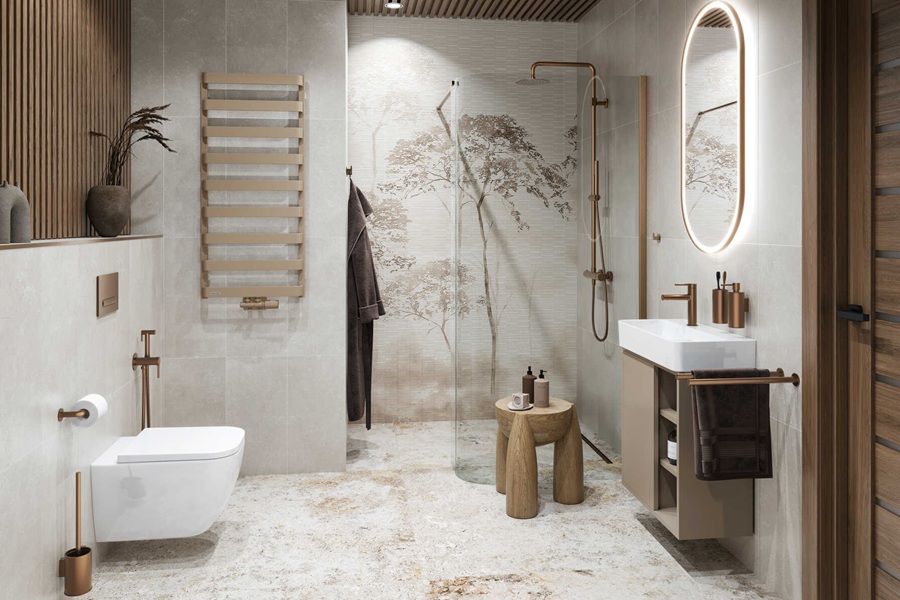
PVD coating delivers an eye-catching surface finish while also increasing the fittings' resistance to everyday use. As a result, this solution is increasingly found in modern bathrooms, where design must go hand in hand with durability.
📌 Table of contents:
- 1. What does the abbreviation PVD (Physical Vapour Deposition) mean?
- 2. Why is PVD coating gaining popularity in modern bathrooms?
- 3. 5 reasons to choose bathroom faucets with a PVD coating
- 4. PVD versus standard finishes — what's the difference?
- 5. How to care for fittings with a PVD coating?
- 6. PVD coating — technology that combines design and durability
📝 In this article you'll learn:
- what a PVD coating is and how this technology works,
- why fittings with a PVD coating are considered a premium solution,
- what advantages PVD technology offers in everyday use,
- how a PVD coating differs from standard finishes,
- how to care for fittings with a PVD coating so they keep their good looks for years.
What does the abbreviation PVD (Physical Vapour Deposition) mean?
PVD stands for physical vapour deposition. It's a modern technology for applying thin coatings to metal surfaces under vacuum conditions. The process takes place in a vacuum chamber, often at high temperature, which allows metal particles to be deposited on the surface.
In practice, this process produces a very durable, attractive and resistant finish for bathroom fittings. A PVD coating is not purely decorative — it also improves the surface's resistance to everyday use, moisture and minor scratches. It can be carried out using different methods, for example PVD (CAE) or PVD (MS), depending on how the source material is excited and how the layer taken on by the material is formed.
PVD technology is used in products where both build quality and a long-lasting visual effect matter.
Why is PVD coating gaining popularity in modern bathrooms?
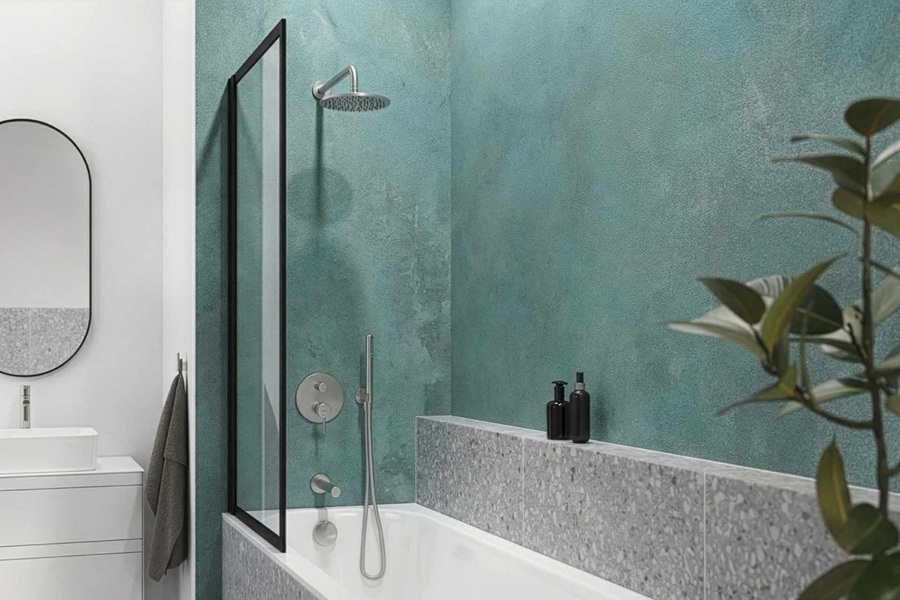
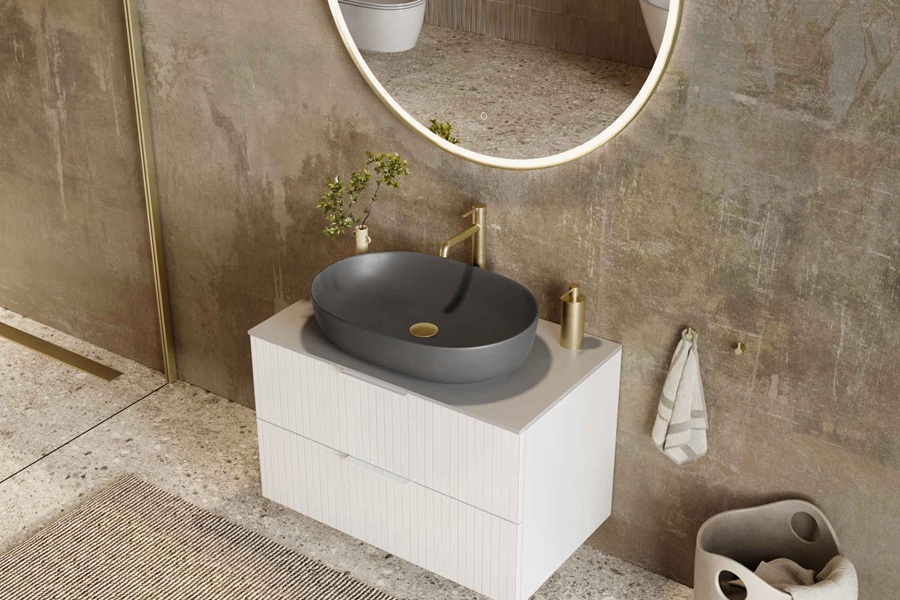
Contemporary interior design trends are increasingly moving away from classic chrome towards bolder finishes such as gold, copper, graphite and brushed nickel.
As interest in modern design grows, so do expectations regarding surface durability. Users want their fittings, including bathroom faucets, to keep their good looks and stand out for many years — despite intensive, everyday use.
This is where PVD technology shows its greatest advantage. It combines a premium look with greater resistance and durability of the finish, and the choice of colour depends on the intended design effect – it can warm up the interior or give it more energy.
Check out washbasin faucets
Check now5 reasons to choose bathroom faucets with a PVD coating
1. Higher resistance to scratches
Bathroom fittings are used every day, so their surface is exposed to contact with water, cosmetics and cleaning products. A PVD coating increases the surface's resistance to minor scratches, abrasion and other damage, and its high durability also comes from its strong adhesion to the base material.
As a result, bathroom faucets keep their good looks for longer and appear more elegant even after years of use. These properties are especially important for heavily used elements, since well-made coatings hold up better under everyday wear.
2. Longer-lasting colour and good looks
One of the biggest advantages of PVD technology is colour durability. The colour doesn't fade under UV radiation, so the item keeps its original appearance for longer. The coating helps preserve the depth of the finish and reduces the risk of surface abrasion, since each thin outer layer is created under precise control, and its thickness affects the durability and visual effect of the subsequent layers.
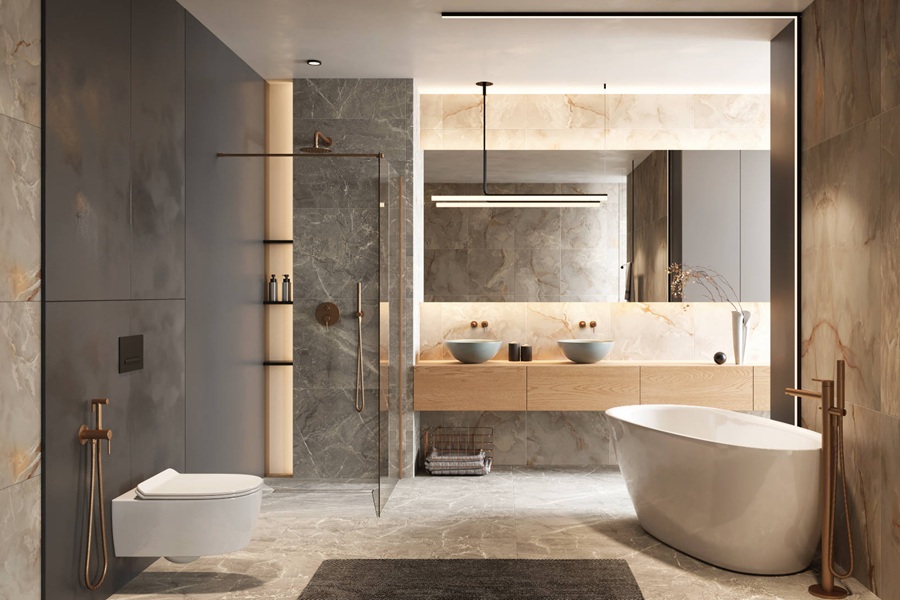
This is especially important for fashionable fitting colours such as brushed gold, graphite or copper, since PVD technology offers wide colouring possibilities and produces a finish where the aesthetics of the details play a very important role in the whole bathroom arrangement.
3. Greater resistance to moisture and corrosion
The bathroom is a demanding environment — high humidity and frequent contact with water mean that finishing materials must be properly protected.
A PVD coating increases the fittings' resistance to corrosion and moisture, resulting in a more durable product that keeps its good looks for longer.
4. Easier fittings maintenance
A modern bathroom should be not only attractive but also easy to keep clean. Faucets with a PVD coating are easy to maintain day to day and don't require complicated upkeep, and their smooth surface is pleasant to the touch.
To keep its appearance for a long time, simply wipe it regularly with a microfibre cloth and warm water with a mild detergent. After each cleaning, it's also recommended to rinse the fitting and dry it thoroughly to avoid streaks and limescale build-up.
5. A modern look ideal for premium bathrooms
A PVD coating fits perfectly with modern design trends. It produces elegant, fashionable finishes that highlight the character of the interior and give it a more luxurious look.
Thanks to the wide range of colours and finishes, fittings today are not just a functional element but also an important decorative detail in the bathroom.
Check out bath/shower faucets
Check nowPVD versus standard finishes — what's the difference?
Although classic fitting finishes are still very popular, PVD technology is increasingly chosen by people looking for premium solutions.
The main differences concern:
-
surface durability,
-
resistance to everyday use,
-
the aesthetics of the finish,
-
colour durability,
-
resistance to moisture and corrosion.
Because of how the process parameters are selected and the surface is treated, this solution also stands out for retaining its appearance under intensive use. PVD is also more environmentally friendly than traditional electroplating methods, as it generates less waste and doesn't require the use of as many harmful chemicals.
In practice, fittings with a PVD coating keep their appearance for longer and better meet the needs of modern bathrooms, where both design and quality matter.
How to care for fittings with a PVD coating?
Caring for fittings with a PVD coating isn't complicated, but it's worth remembering a few basic rules.
To keep the surface looking good:
-
use soft cloths,
-
avoid harsh detergents and abrasive cleaning products, especially cream cleansers containing granules and scouring pads, as they cause micro-damage,
-
regularly dry the fittings after contact with water,
-
use products designed for the care of bathroom fittings.
Proper care will help keep the fittings looking elegant for a long time and preserve their original appearance for longer.
PVD coating — technology that combines design and durability
Modern bathroom fittings should meet not only aesthetic needs but also the demands of everyday use. A PVD coating lets you combine both aspects — an elegant look and greater surface durability.
This solution is increasingly chosen by people fitting out modern bathrooms who expect high build quality, fashionable design and years of comfortable use. PVD technology shows that a modern bathroom can be attractive, functional and durable all at once.