503 11 55 44



Washbasin with or without overflow? What to choose for your bathroom?
Wondering whether it's better to choose a washbasin with or without an overflow? It's a seemingly minor detail that can significantly affect the functionality and look of your bathroom.
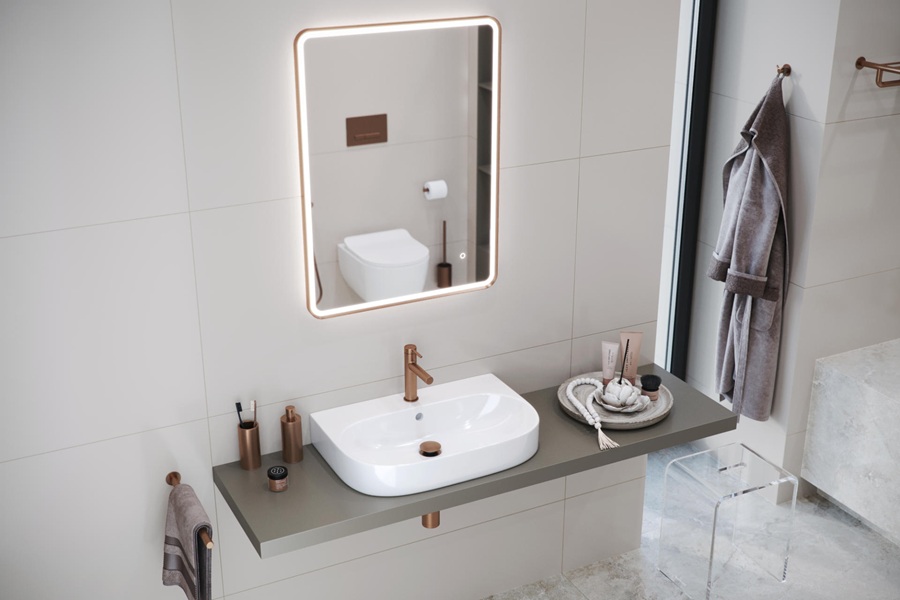
In this article, we explain how the two solutions differ, what their advantages and disadvantages are, and which one to choose to best suit your needs. We also present Excellent models that work best in modern designs.
📌 Table of contents:
- 1. Types of washbasins
- 2. What is a washbasin overflow and what's it for?
- 3. Advantages and disadvantages of washbasins with an overflow
- 4. Advantages and disadvantages of washbasins without an overflow
- 5. Installing a washbasin
- 6. What to look for when choosing?
- 7. Summary – which solution to choose?
📝 Summary:
- Corner bathtubs make efficient use of space and add style to a bathroom.
- Excellent's sanitary acrylic provides durability, warmth to the touch and easy maintenance.
- Choosing the right size, shape and accessories (shower screens, Pi/Delta Pi faucets, Moli siphons) increases comfort of use.
- Corner bathtubs work well in both compact and spacious modern bathrooms.
Types of washbasins
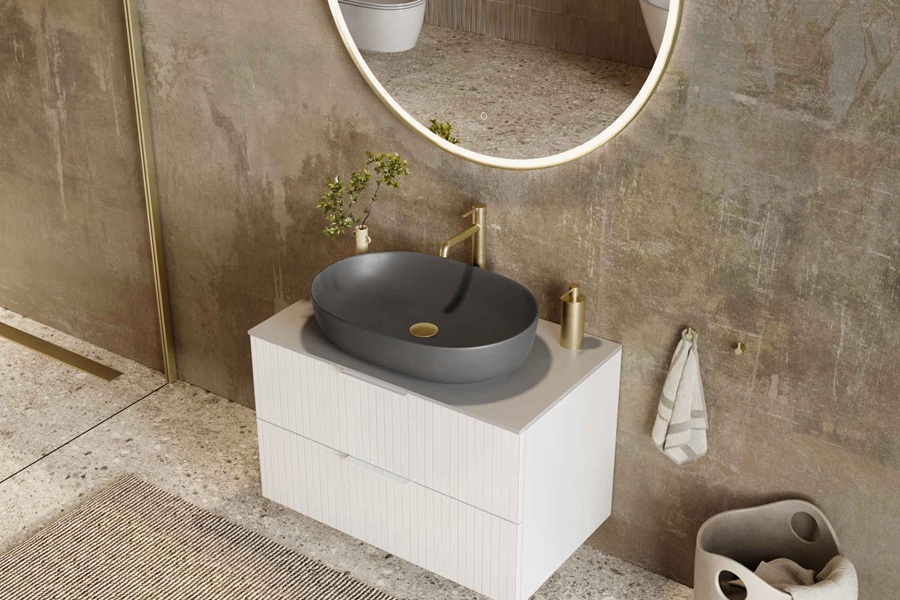
When choosing a washbasin for your bathroom, it's worth getting to know the available types, which differ not only in appearance but also in the way they're installed and the material they're made from. One of the most popular solutions are countertop washbasins mounted directly on the counter top – a great option for those who value minimalist design and a modern feel in any bathroom. Their minimalist design means they fit perfectly into modern bathroom layouts, highlighting the elegant look of the interior. Countertop washbasins are prized for how easy they are to keep clean – with no hard-to-reach spots, cleaning is quick and effective.
An alternative are inset (undermount) washbasins, which also offer great looks and comfortable use, with the choice depending on the available space and the visual effect you want. Thanks to a wide range of models and materials, it's easy to find a solution that highlights the character of the bathroom and meets the household's individual needs. In this group you'll find washbasins with an overflow, fitted with an extra opening that drains excess water into the sewage system. This solution increases safety in use, especially in family bathrooms. Washbasins without an overflow, on the other hand, are chosen by those who value simple form and a modern look – the absence of an overflow opening highlights the aesthetics and makes cleaning easier. The final choice of washbasin type depends on individual needs, interior style and expectations regarding the bathroom's functionality and appearance.
What is a washbasin overflow and what's it for?
An overflow is a small opening located just below the top edge of the washbasin bowl, connected to the washbasin siphon and the sewage drain. Its job is to drain away excess water when the drain is closed or blocked. It's worth remembering to clean the overflow opening regularly, as limescale and sediment can build up in the drain, which can lead to unpleasant odours and blockages. This reduces the risk of flooding the bathroom and makes using the washbasin safer and more convenient.
Advantages and disadvantages of washbasins with an overflow
Washbasins with an overflow are the classic solution used in most bathrooms. They give a sense of security and are easy to match with standard fittings – choosing the right height and model ensures correct operation and minimises the risk of water splashing.
Key advantages: a washbasin with an overflow protects against water spilling over, which is especially useful in homes with children or wherever users want extra protection. It's the ideal solution for those who value safety – it works well both in family bathrooms and in public facilities. It's also easy to find a compatible siphon or basin plug, which further simplifies matching the fittings to the whole installation.
The only drawback is the visible overflow opening, which in ultra-minimalist designs can slightly disrupt the clean design line.
It's worth remembering, though, that washbasins with an overflow require regular cleaning of the overflow opening, as dirt, sediment, limescale and bacteria can build up in hard-to-reach places. Regular cleaning with suitable cleaning products is necessary to avoid unpleasant odours and blockages.
Examples from Excellent's range: Jima (countertop washbasins in various colours and sizes, available in overflow versions) and Oceana (wall-hung washbasins with a tap hole, ideal for smaller bathrooms).
Advantages and disadvantages of washbasins without an overflow
More and more designers are choosing washbasins without an overflow – a solution with a distinctly modern character. Their advantage is an elegant look: the absence of extra openings emphasises the minimalist design and makes it easier to keep the edges clean. Washbasins without an overflow are easier to keep clean, as they have no hard-to-reach spots or openings where bacteria and sediment can build up. Smooth surfaces also make cleaning easier. This solution works especially well in modern designs, where ease of cleaning matters. They fit perfectly into premium designs. The drawback is the lack of protection against water overflowing – you need to be more careful when using it – and the need for a special siphon.
The choice between a washbasin with or without an overflow depends on the user's own preferences, lifestyle and the character of the interior. Washbasins without an overflow make optimal use of space and pair beautifully with modern bathroom furniture, which makes it easier to store items and keep things tidy. Proper positioning of the washbasin on the counter top also matters – precise levelling and choosing the position relative to the wall and edges affects the aesthetics, functionality and watertightness of the installation.
In Excellent's range you'll find, among others, Luqa (a compact countertop model in several colours), Cori 2.0 (a countertop model in two sizes, in classic white) or Jima in the overflow-free version. A countertop washbasin often has no overflow, but overflow versions are also available for those who value safety.
It's also worth mentioning furniture washbasins, which are very hygienic and easy to clean, as the bowl sits entirely within the cabinet, minimising the surface area to clean. Wall-hung washbasins are traditional, versatile models mounted directly to the wall, which also allow for efficient use of bathroom space. The final choice depends on your own preferences, the layout of the space, and the comfort and functionality you expect from the interior.
Installing a washbasin
Correct installation of a washbasin is key to comfort and safety during everyday use of the bathroom. It's worth paying attention to choosing a model that not only fits the interior design but also makes cleaning easy. A washbasin without an overflow is the ideal solution for those who prioritise a modern look and simple cleaning – the absence of extra openings makes regular cleaning easier and highlights the minimalist style. Before installation, you should carefully plan the positioning of the washbasin and choose the right faucet, so that everything is both functional and attractive. With countertop washbasins, mounting them on the counter top allows you to comfortably make use of the space underneath the washbasin, for example for a practical cabinet or laundry basket. This way, the bathroom gains not only in looks, but also in functionality and ease of keeping tidy.
What to look for when choosing?
When choosing between a washbasin with or without an overflow, it's worth considering a few practical issues.
First, consider the style of the bathroom – if you value minimalism, simplicity and elegance, choose a model that highlights the interior's character. The shape and material of the washbasin, such as ceramic (the most resistant to scratches, discolouration and strong detergents), glass (lightweight, decorative and attractive), composite or conglomerate (flexibility, impact resistance, slim rims), should be matched to the style and character of the design, creating a harmonious combination with the rest of the bathroom. In family homes, classic models with an overflow will provide peace of mind and comfort, while in minimalist projects, overflow-free versions will look more striking.
Secondly, safety: if there are children at home or the bathroom is often used by guests, extra protection can prove essential. It's worth considering whether an overflow is needed to ensure functionality and safety in use.
Don't forget about accessory compatibility – washbasins without an overflow require dedicated siphons. The type of installation also matters: countertop models such as Jima, Luqa or Cori 2.0 allow plenty of design freedom, while the wall-hung Oceana saves space in smaller bathrooms – wall-hung washbasins are mounted directly to the wall. Furniture washbasins are very hygienic and easy to clean, as the bowl sits entirely within the cabinet, minimising the surface area to clean. Inset and undercounter washbasins, meanwhile, are discreet solutions where the rim sits level with the counter top or below it, giving the bathroom an elegant look.
When designing your bathroom, pay attention to the finish of the floor and walls – properly preparing these surfaces affects watertightness, aesthetics and ease of cleaning. The choice of solution depends on aesthetic and functional considerations, as well as on the need to store items around the washbasin, such as towels or toiletries.
Check out washbasins
See nowSummary – which solution to choose?
Choosing a washbasin with or without an overflow is the ideal solution depending on your own preferences, the character of the interior and your expectations regarding comfort and fit within the bathroom space. Each option works well in different designs – a washbasin with an overflow provides safety and convenience in use, while a model without an overflow highlights a modern, minimalist style. The choice depends on the effect you want in your interior and your functional needs. Thanks to Excellent's extensive range – covering both classic and modern models – you can easily match your fittings to your style, space and personal preferences.
🔽 Looking for inspiration?
📌 See ready-made bathroom designs with walk-in showers
📞 Talk to an Excellent advisor – we'll help you choose the right model
🛒 Visit our store and check out the available washbasins